Track 2 · Holy Trance Vol. 1: Cathedral of Light
Ancient Gates
Inspired by Psalm 24:7-10 · ISRC QTA872672145
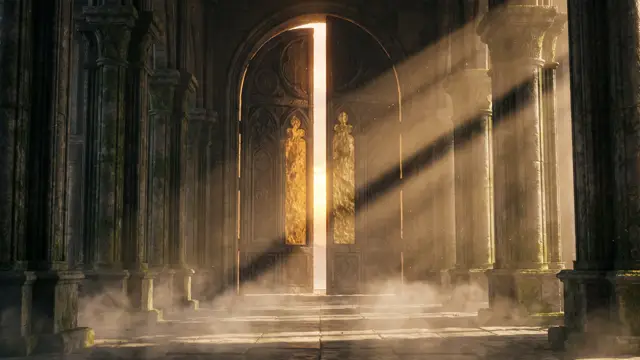
Scripture, lyrics and meaning
Scripture
Psalm 24:3-10, World English Bible, British Edition (public domain)Credited on the release as Psalm 24:7-10.Widened from the credited 24:7-10 to 24:3-10 because Verse 1 of the lyrics paraphrases vv. 3-4 ("Who may ascend the mountain of the Lord… clean hands and a pure heart").Psalm 24:3-10
3 Who may ascend to the LORD’s hill? Who may stand in his holy place? 4 He who has clean hands and a pure heart; who has not lifted up his soul to falsehood, and has not sworn deceitfully. 5 He shall receive a blessing from the LORD, righteousness from the God of his salvation. 6 This is the generation of those who seek Him, who seek your face - even Jacob. Selah. 7 Lift up your heads, you gates! Be lifted up, you everlasting doors, and the King of glory will come in. 8 Who is the King of glory? The LORD strong and mighty, the LORD mighty in battle. 9 Lift up your heads, you gates; yes, lift them up, you everlasting doors, and the King of glory will come in. 10 Who is this King of glory? The LORD of Armies is the King of glory! Selah.
Lyrics
Verse 1
Who may ascend the mountain of the Lord?
Who stands forgiven by Your spoken word?
Clean hands and hearts made pure inside Your grace
Longing just to look upon Your face
Breakdown
Lift up your heads, O gates of ancient stone!
Prepare the way before the Savior's throne!
Who is this King of glory marching in?
The Lord Almighty, conqueror of sin!
Euphoric Drop
Swing wide the ancient gates and let Him in!
Let the song of heaven now begin!
Mighty in battle, crowned in majesty
King of glory for eternity!
What the passage means
Psalm 24 asks who may stand in God's holy place and answers: those with clean hands and a pure heart. Its closing call for the ancient gates to lift up their heads so that "the King of glory" may enter is widely thought to have been sung as the ark of the covenant was carried into Jerusalem. Readers have long understood it as a celebration of God as victorious King, and many Christians also read it in connection with Christ's ascension.